 |
|
|||||||||||||||||||||||||||||||||||||||||||||||||||||||||||||
|
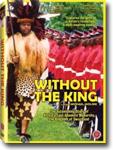
"Of course, there were a lot of baboons in my stomach. to become a king!" King Mswati says at the beginning of this beautiful and fascinating film about the world's last absolute monarchy. His country is at "a boiling point" as he becomes king. That was in 1986; it's still just shy of boiling when Without the King  picks up some 20 years later. picks up some 20 years later.At the beginning of Without the King , King Mswati III of Swaziland has 12 wives and 22 children (his father had 110 wives and 250 children). By the end of the film, King Mswati has 13 wives and his daughter, Princess Sikhanyiso Dlamini, is bemoaning her fate. A new member of the family to adjust to! A new favorite to reckon with ("and she's younger than me," says the 18-year-old princess) while her own mother, the first wife, is on the outs.Although Without the King is an indictment of the monarchy, Princess Sikhanyiso is the star of the film. She carries the film's narrative: her changes are constructed to at least hint at hope for change in Swaziland. Princess Sikhanyiso is amusing and compelling and repulsively naïve of the situation of her father's people. Her speech is a fascinating blend of Valley Girl ("My dad, he's the king, right?"), Black English (she flows at rap early on but drops the beat in a pile of giggles), posh London, and something very close to South African. The latter is straight forward, as Swaziland is nestled up to South Africa; the rest come from MP3s, no doubt, as well as being educated in England and the U.S.The princess lives a royal life. Her father stirs controversy when he buys a new jet or fleet of luxury cars. As we watch the World Food Program hand out sacks of grain in Gamala Township, we learn that 69 percent of the pop survives on 63 cents a day. The tiny country (the size of Kuwait or New Jersey) is dependent on foreign aid. The royal family controls most of the wealth; they live in palaces. The king controls a personal bank account worth some US$10 billion. The king is perfectly diplomatic, acknowledging every grievance but, in contrast with the voices of his people, rings completely hollow. He's too perfect, his glance and delivery too polished, he could charm the pants off a snake: he's the product, no doubt, of PR consultants costing many dollars over many years. Or maybe it's a talent; his daughter has it, too. She aspires to be an actress; he's a consummate professional. King Mswati signs a constitution but retains all power. Political parties are banned: "The constitution is like an idol, forcing the people to worship under oppression," a preacher extols his congregation. In Moneni Township, Che-shirt-wearing political activist Mphandhlana Shongwe observes that the king maintains power by "clinging" to the edge where meet "culture and democracy, two different things." The Swazis want both the monarchy - and its cultural history rich in both collaboration and resistance to colonialism - and democracy. The meeting of the edges is not without friction, though, and there is a dramatic scene of a confrontation between police and activists. But as the princess says early in the film, "Without the king, there is no culture." As poor as the majority of Swazis are, when they attend one of the king's events they forget "that they drink here," Shongwe says, pointing at a tiny, muddy puddle from which the village drinks: "There are no taps here.[i]t is only time and proper organizing" that lie between oppression and a violent realigning of the nation, Shongwe concludes. Meanwhile, Princess Sikhanyiso is being jetted off to college in California. As she's hugging her family members, she's got her cell glued to her ear. At one point on a walking tour of Hollywood, she looks out at the traffic on Hollywood Boulevard, and says, "I wish Africa were like this.. It's really pretty." Swaziland has 800,000 AIDS orphans. The AIDS prevalency rate is the highest in the world: 42 percent of the people are infected (it's 0.6 percent in the U.S.). Swaziland has the world's lowest life expectancy at 31 years. In 2000, the king "solved" the AIDS problem by declaring a sex ban; during the five-year duration of the ban, he took two teenage girls as wives. Nevertheless, every year at the Reed Dance virgins celebrate their chastity. We follow Princess Sikhanyiso to an AIDS orphanage. She asks a worker the age of a tiny boy. "Ten," the woman says. Shocked, Princess Sikhanyiso swears he looks to be only three. The princess comes away from the visit changed-or so it appears. There may be a revolution close at hand in Swaziland, but for now the monarchy remains. Extras: The DVD has additional interviews, bonus scenes, a trailer and a rap video featuring Princess Sikhanyiso. |
|
||||||||||||||||||||||||||||||||||||||||||||||||||||||||||||
|
||||||||||||||||||||||||||||||||||||||||||||||||||||||||||||||
| action | animation | art house/international | comedy | documentary | drama | family | horror/sci-fi | suspense | television | ||||||||||||||||||||||||||||||||||||||||||||||||||||||||||||||
 |
||||||||||||||||||||||||||||||||||||||||||||||||||||||||||||||
| contact | home | ||||||||||||||||||||||||||||||||||||||||||||||||||||||||||||||